 Book Now
  Text
Text  Call
Call  Shop
Shop 
Laser skin resurfacing is a precise, energy‑based treatment that gently refines skin texture, tone, and overall quality without surgery. At our Los Angeles practice, focused light energy is used to soften fine lines, reduce sun damage and discoloration, improve acne scars, and restore a more even, luminous surface while preserving the skin's integrity.
Every treatment is thoughtfully tailored to your skin type, concerns, and lifestyle, using ablative and non‑ablative technologies in a measured, medically grounded way. Guided by Dr. Kolker's double board certification, academic roles, and fine arts background, laser resurfacing is approached as both science and artistry—designed to look natural, never over‑treated, for patients from Los Angeles and beyond who wish to address early aging, sun exposure, or scarring while maintaining their individuality.
Laser skin resurfacing uses focused light energy to gently remove or heat targeted layers of the skin, encouraging fresh cell turnover and new collagen formation. At our Los Angeles, CA practice, treatment can be precisely calibrated — from a subtle 'polish' to more transformative resurfacing — to address a range of concerns while prioritizing safety and a natural-looking result.
By removing or heating precise micro-layers of skin, laser energy stimulates collagen remodeling, which can soften fine lines around the eyes, mouth, and forehead. Depending on the technology and depth selected, treatment can provide a gentle smoothing or more visible rejuvenation over time.
Lasers target excess pigment from sun exposure and aging, helping to fade sun spots, freckles, and uneven coloration. As the treated pigment breaks up and the outer layers renew, the complexion can appear clearer and more even in tone.
For acne scars and other textural irregularities, laser resurfacing creates controlled micro-injury in the skin to trigger collagen repair from within. Over a series of treatments, this remodeling process can gradually smooth indented scars and refine uneven areas.
By encouraging new collagen and more organized skin structure, lasers can help reduce the appearance of enlarged pores and a coarse, rough surface. As old, damaged cells are shed and replaced, the skin often feels noticeably smoother and more refined.
Superficial laser treatments gently exfoliate and refresh the outermost layers, revealing fresher skin beneath. This can restore a healthier-looking glow and improve light reflection, especially in skin that appears flat, tired, or lackluster.
Certain laser technologies can target visible redness and blotchiness by acting on tiny blood vessels and color irregularities. With careful selection of wavelength and settings, the skin tone can appear more balanced while respecting the unique needs of each patient’s skin.
Laser skin resurfacing uses focused light energy to gently heat targeted structures within the skin. Depending on the wavelength, the laser is drawn to either water in the skin or pigment, creating a precisely controlled 'micro-injury.' This triggers the body's natural repair response, stimulating new collagen and elastin while encouraging older, damaged cells to shed. Over time, smoother, clearer, and more refined skin gradually appears at the surface.
Ablative lasers, such as CO2 and Er:YAG, carefully remove ultra-thin layers of skin for more dramatic renewal, with more downtime but typically more significant improvement in texture, lines, and scars. Non-ablative and fractionated lasers work beneath or within the skin in a grid-like pattern, leaving surrounding tissue intact. These approaches often involve less recovery while still promoting collagen remodeling and a fresher, more even complexion.
Laser skin resurfacing is a non-surgical, highly customizable treatment that uses focused light energy to refine the skin’s surface and support healthier-looking skin over time. In the hands of an experienced, board-certified plastic surgeon in Los Angeles, patients often notice:
Smoother-feeling skin with fewer rough patches, enlarged pores, and textural irregularities. Improvements tend to emerge gradually as the skin heals and remodels over several weeks.
Reduction in the appearance of sun damage, age spots, and redness can create a more uniform, balanced complexion. Changes are typically progressive, with clarity continuing to improve over months.
Fine lines around the eyes, mouth, and cheeks can appear less noticeable as new collagen develops. The goal is a subtly refreshed look rather than an abrupt or artificial-looking change.
Acne scars and other superficial marks may look smoother and less prominent. While results vary, many patients see a visible refinement in scar texture with a series of thoughtfully planned treatments.
By stimulating the skin’s natural repair processes, laser resurfacing can encourage ongoing collagen renewal. This can help maintain firmer, more resilient skin quality with appropriate skincare and sun protection.
As tone, texture, and clarity improve, many people report feeling more at ease bare-faced and in everyday interactions. While no procedure can guarantee confidence, a more refined complexion can gently support a sense of personal ease and self-care.
Laser skin resurfacing in Los Angeles, CA may be appropriate if you are in good general health and wish to improve skin texture, fine lines, sun damage, or scarring without surgery. Ideal candidates understand that while results can be significant, they evolve gradually over weeks to months as new collagen forms.
During a detailed consultation, your skin type, medical history, and lifestyle are carefully reviewed to determine the safest technology and settings—or whether an alternative treatment would better protect your long-term skin health.
Your laser skin resurfacing experience in Los Angeles begins with a calm, in‑depth consultation. Dr. Kolker or your treating physician evaluates your skin quality, color, and thickness, reviews your medical history, medications, and prior treatments, and considers your lifestyle and downtime. Close examination and clinical photography help define your aesthetic goals with precision.
Based on this assessment, your physician selects the most appropriate technology—ablative CO2 or Er:YAG, non‑ablative, or fractionated lasers. The depth, intensity, and pattern of resurfacing, as well as the number and spacing of sessions, are tailored to your skin type, pigmentation tendencies, and comfort with recovery.
On treatment day, you arrive a bit early to review your plan and ask any final questions. Your skin is thoroughly cleansed, and protective eyewear is placed. The laser is then applied in a careful, stepwise fashion, section by section, with settings adjusted in real time. Depending on the areas treated and depth of resurfacing, the active portion of the procedure typically lasts from 15 minutes to about an hour.
Your comfort is a priority throughout. For lighter treatments, topical numbing cream and cooling air or compresses are often sufficient. For deeper or more comprehensive resurfacing, local anesthesia, nerve blocks, or light sedation may be recommended, always administered with meticulous attention to safety and monitoring.
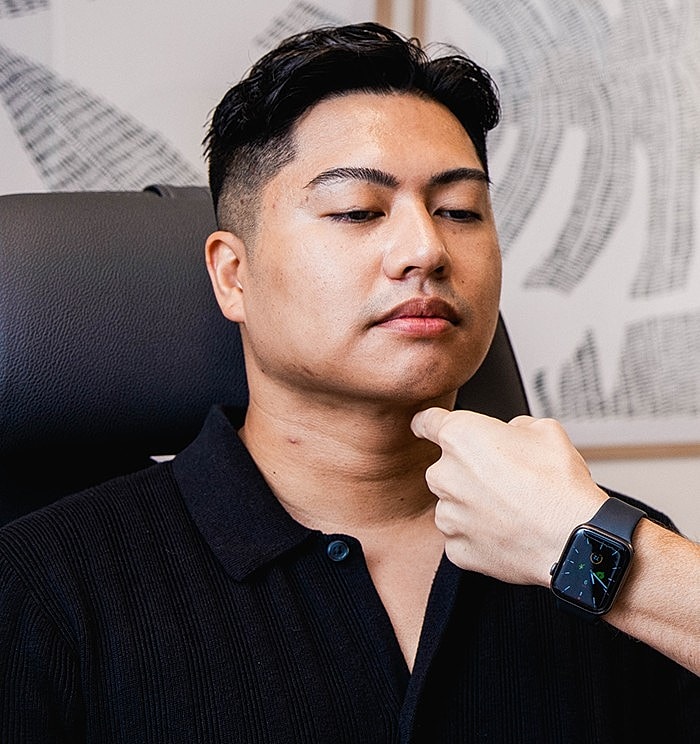
Healing after laser skin resurfacing is highly individualized, but most patients follow a similar pattern. Light treatments in Los Angeles often involve pinkness and mild swelling for 2–4 days, with subtle flaking that can last about a week. Moderate resurfacing typically brings brighter redness, puffiness, and a 'bronzed' look for 5–7 days, followed by more noticeable peeling over 7–10 days. Deeper or fully ablative resurfacing can require 10–14 days of intensive care, with redness that gradually softens over several weeks as new collagen develops.
Your commitment to aftercare is central to both safety and results. Our team will provide tailored instructions and remains closely available for questions and follow‑up so that you are never navigating recovery alone.
Laser skin resurfacing results unfold gradually, allowing your complexion to look naturally refreshed rather than suddenly changed. In the first several days to weeks, as redness, swelling, and flaking subside, many patients notice smoother texture, a more even tone, and a healthier surface glow. These early shifts reflect the skin's initial healing response.
Over the following 3 to 6 months, deeper improvements continue as new collagen is produced and existing collagen remodels. Lighter, non‑ablative or fractionated treatments in Los Angeles often work best as a series of sessions, building refinement with minimal downtime. More intensive ablative resurfacing may achieve more dramatic change in fewer visits, but typically involves a longer recovery and more visible healing.

Laser skin resurfacing is a powerful, non‑surgical treatment, and with that power comes a need for careful planning and technique. Under Dr. Kolker's care in Los Angeles, common, expected effects such as redness, warmth, swelling, and peeling are discussed in detail beforehand, so you know exactly what to anticipate during the healing process.
Most patients experience several days to weeks of visible redness, along with temporary darkening or lightening of the skin as it renews. These changes are typically self‑limited and part of the normal recovery as new collagen forms and the skin's surface gradually refines.
In our Los Angeles practice, laser skin resurfacing is thoughtfully integrated into a broader aesthetic strategy rather than used in isolation. While lasers refine texture, tone, and overall skin quality, they do not replace the role of neuromodulators or dermal fillers in addressing expression lines and volume loss. By planning treatments together, we can create a more complete, natural-looking rejuvenation that respects your facial proportions and individuality.
Laser resurfacing often pairs beautifully with neuromodulators to soften movement-related lines and with fillers to restore contour in the cheeks, lips, jawline, and around the mouth. Medical-grade skincare supports and prolongs laser results, helping to maintain clarity and radiance between procedures. For some patients, lasers are combined with surgical treatments such as eyelid surgery, brow lift, or facelift to refine skin quality and enhance surgical outcomes without appearing 'overdone.'
Most patients describe laser resurfacing as uncomfortable rather than painful. In our Los Angeles practice, we use a combination of topical numbing, cooling, and, when appropriate, local anesthesia to keep you as comfortable as possible. You may feel warmth, tingling, or a sunburn‑like sensation during and shortly after treatment, which typically eases over the first few days.
The 'right' laser depends on your skin type, specific concerns, available downtime, and how aggressive you wish to be with treatment. Ablative lasers can create more dramatic changes in a single session, while non‑ablative or fractionated options focus on gradual collagen stimulation with less recovery. During a consultation, your surgeon will examine your skin, review your history, and design a customized plan that balances results, safety, and lifestyle.
Yes, many individuals with darker skin tones can safely benefit from laser resurfacing, but it requires careful selection of technology, settings, and pre‑ and post‑treatment care. The goal is to improve texture and tone while minimizing the risk of hyperpigmentation or hypopigmentation. An experienced, board‑certified plastic surgeon who routinely treats a range of skin types is essential for safe, refined outcomes.
Downtime varies with the intensity of your treatment. Light, non‑ablative sessions may involve a few days of redness and swelling, while deeper ablative resurfacing can require 7 to 10 days of more visible healing. Your surgeon will help you choose an approach that fits your schedule and prepare you for what to expect at each stage of recovery.
Some degree of peeling or flaking is common, especially after more intensive resurfacing. In the first days, the skin may feel warm, tight, and look pink or red, gradually transitioning to peeling as new skin emerges. Detailed aftercare, including gentle cleansing, moisture, and sun protection, supports smooth healing and helps reveal a fresher, more even complexion.
Preparation may include a tailored skincare regimen with medical‑grade products to optimize your skin's health and support more predictable healing. You will be advised to avoid tanning, certain exfoliants, and potentially some medications in the weeks before treatment. Your surgeon will provide specific, written instructions based on your skin, medical history, and the type of laser planned.
Many patients prefer fall and winter for laser resurfacing, when sun exposure is naturally lower and it is easier to protect healing skin. That said, treatment can be performed year‑round in Los Angeles with diligent sun avoidance and high‑quality sunscreen. The most important factor is your ability to follow sun‑safety and aftercare guidelines during the healing period.
Laser resurfacing improves surface concerns such as fine lines, discoloration, enlarged pores, and certain scars, and it can subtly tighten the skin by stimulating collagen. A facelift, by contrast, repositions deeper tissues and addresses more significant laxity and jowling. For some patients, combining laser resurfacing with surgical or injectable treatments offers the most natural, harmonious rejuvenation.
Costs vary based on the areas treated, the type and intensity of laser used, and the number of sessions recommended; you will receive a clear, personalized estimate at your consultation. After treatment, you should contact the office with any concerns about unexpected pain, increasing redness, drainage, fever, or if you are unsure whether your healing is on track. Our team will guide you through each step and remain available as you recover.